
Industrial Components
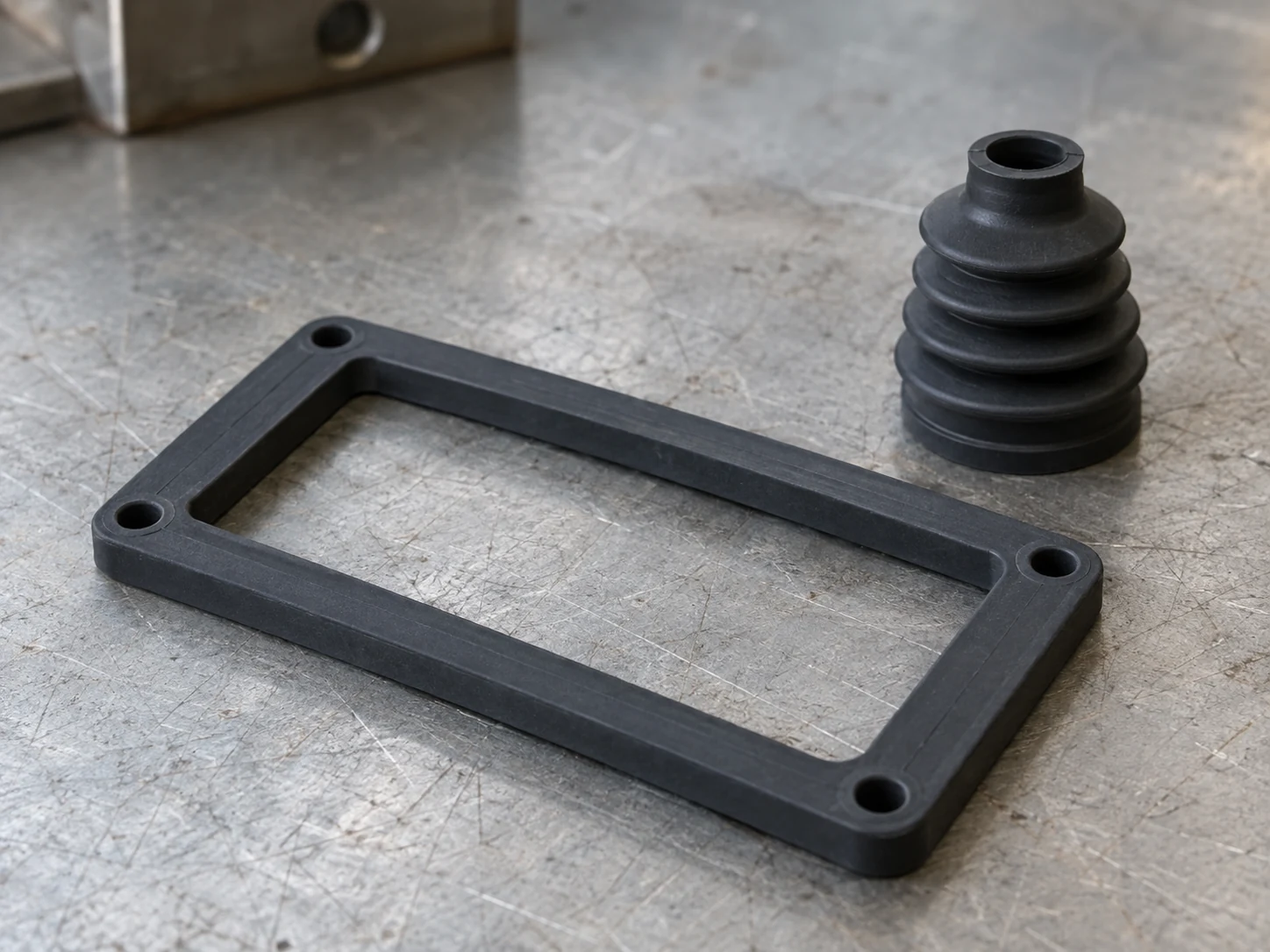
Custom silicone components.
Develop seals, covers, grips, dampers and functional parts around drawings, physical samples and application conditions.
Quote this product →
BUYING & CUSTOMIZATION
What we need for your quote.
- Product & dimensions
- 2D/3D drawings, mating surfaces, critical dimensions, service temperature and contact media.
- Material & hardness
- Selected for the application and confirmed through the sample. Share a physical reference or compound specification if available.
- Branding & packaging
- Hardness, color, inspection criteria, packing and prototype or production quantity.
- MOQ & color split
- Quoted by product, mold route and quantity per color. Send your intended order quantity for review.
- Samples & tooling
- Existing options are checked where relevant. New shapes require a tooling review, quotation and sample approval plan.
- Lead time
- Confirmed after design, tooling and order review. Tell us your target delivery date and destination.
INDUSTRIAL PRODUCT OPTIONS
Functional silicone parts made around drawings, samples and use conditions.
Industrial components require careful review of fit, tolerance priorities, working environment and validation plan.
Gaskets, Seals & Rings
Parts developed around compression, fit, hardness, edge shape and contact conditions.
Caps, Plugs & Covers
Protective parts shaped around insertion force, grip, removal and repeated use.
Pads, Feet & Cushions
Support and anti-vibration items reviewed by load, surface contact and hardness.
Sleeves, Handles & Grips
Soft-touch parts for tools, devices or equipment with texture and assembly details.
Custom Molded Inserts
Parts designed to fit plastic, metal or mechanical interfaces in a larger product.
Heat & Surface Guards
Silicone covers and barriers reviewed around exposure, thickness and installation.
Functional Subcomponents
Small molded parts that must align with assembly, orientation and final inspection.
Drawing-Based Parts
Original industrial components developed from CAD files, samples or technical briefs.
INDUSTRIAL DEVELOPMENT NOTES
Functional parts need clear data around fit, environment and tolerance.
Industrial silicone components are evaluated from drawings, samples, application conditions and critical performance priorities.
Drawing & Dimensions
Provide 2D drawing, 3D file, physical sample or measured reference whenever available.
Fit & Interface
Confirm how the component seals, grips, cushions, protects, connects or fits with related parts.
Operating Environment
Review heat, chemicals, outdoor exposure, compression, vibration or repeated movement conditions.
Material & Hardness
Hardness, flexibility, compression behavior and color may affect function and manufacturing route.
Critical Tolerances
Identify which dimensions are functional and which appearance details are less critical.
Validation Plan
Define prototype quantity, fit check, functional test and approved sample standard before volume production.
COMMON CONFIRMATIONS
Technical details that reduce risk.
Industrial parts benefit from clear functional priorities before mold development.
Can CHANVO work from an existing part?
Yes. A physical sample can be reviewed together with measurements and use conditions to prepare a development route.
What if only some dimensions are critical?
Identify the functional dimensions first. This helps focus tooling and inspection priorities on what matters most.
DEVELOPMENT PRIORITIES
Define your product requirements.
The best manufacturing route depends on the product application and the level of customization required.
- Drawing, dimensions and tolerance priorities
- Operating environment and performance needs
- Material, hardness and color requirements
- Prototype quantity and expected production volume
01Drawing, dimensions and tolerance priorities
02Operating environment and performance needs
03Material, hardness and color requirements
04Prototype quantity and expected production volume
START A PROJECT
Discuss your industrial components project.
Send your reference, intended use, dimensions and target quantity to begin the discussion.